Lighting is one of the main contributors to electricity consumption, especially in workplaces like offices and retail stores, where it can account for nearly half of energy costs. If you’re looking to lower your electricity bills and minimize environmental impact, upgrading your lighting system is one of the most effective steps—particularly if you haven’t yet taken advantage of advanced energy-saving technologies.
Beyond reducing costs, improving your lighting setup can make your home or workspace more comfortable and enhance productivity. An energy-efficient lighting system does more than just brighten a room; it optimizes energy use and helps cut unnecessary expenses. By implementing smart strategies, you can ensure that every watt of electricity is used efficiently, maximizing both illumination and cost savings.
In this guide, we’ll explore practical ways to adopt energy-saving lighting solutions, helping you create an affordable, efficient, and sustainable indoor environment.

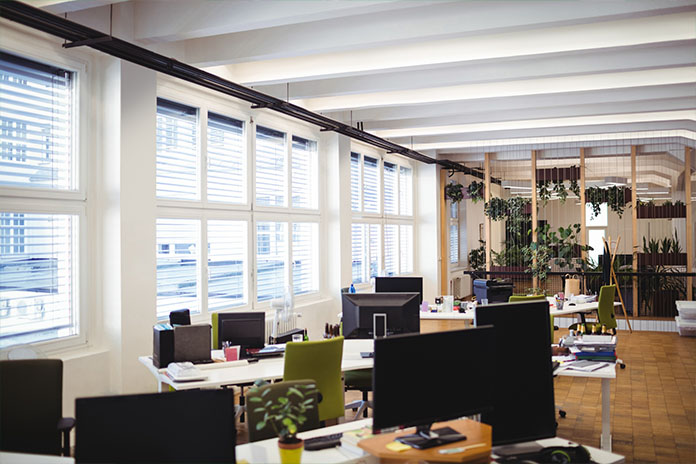
One of the best ways to save money and boost energy efficiency is by taking full advantage of natural daylight. Many businesses and homes still leave lights on during the day, missing out on the free, abundant source of light. Aside from reducing electricity bills, using natural light contributes to a healthier and more comfortable environment.
To get the most out of daylight, start by ensuring your windows are clear of obstructions and cleaning any skylights. Allow as much natural light to enter as possible, and strategically position workstations near windows to maximize exposure.
Here are a few tips to enhance the use of natural daylight in your space:
By optimizing your space for daylight, you’ll enjoy a brighter, more inviting atmosphere and save on electricity costs.
Automating your lighting system is an excellent way to prevent unnecessary energy consumption. There are several effective automatic controls available, including motion detection, daylight sensors and timers, which can all help reduce the need for manually turning lights on and off.
The good news is that these systems don’t always require major rewiring or installation of new fixtures. Many solutions can be implemented with minimal effort, making automation an accessible option for most spaces.
Motion sensors detect presence in a room, ensuring that lights are only on when needed. Timers, on the other hand, enable users to set specific times for lighting to operate, ensuring lights are only on during scheduled hours. These technologies effectively address the common issue of forgetting to turn off lights and help lower energy waste.
One of the best ways to cut down on electricity bills is to take advantage of natural light. Lighting systems that respond to natural light use sensors like photocells to detect how much sunlight is coming in. When there’s enough daylight, these systems automatically dim or turn off artificial lights.
Some of these systems are even smart enough to adjust the brightness of artificial lights based on how much natural light is available. To make the most of this, lighting circuits should be set up so that the sensors only cover areas with plenty of natural light, usually near windows.
To keep the system running smoothly, it’s important to clean the sensors regularly. You can include this as part of your regular maintenance schedule.
Also, dimmer switches can help even more. These switches allow you to lower the brightness when you don’t need full lighting, helping you save energy. They also extend the life of your bulbs since they experience less wear when dimmed.

When outfitting your space with lighting, it’s crucial to consider the color of light being emitted. Choosing the right light tone can significantly influence both the aesthetic and functionality of a room. For relaxed environments such as living rooms, softer, warm tones (like warm white) are ideal for creating a welcoming atmosphere. In contrast, spaces like offices require brighter, cooler lights (such as cool white) to enhance visibility and improve focus.
It’s also important to look beyond just the color of the light and consider its Color Rendering Index (CRI). The CRI reveals how well a light source displays the true colors of objects in its vicinity. A bulb with a high CRI, typically 80 or above, will allow colors to appear more accurately, which is especially beneficial for tasks that require color precision.
In workplace settings, it’s recommended to test various light temperatures to find what works best for both productivity and comfort. Employees might have different preferences and retail environments, particularly food-related ones, might benefit from warmer lighting that highlights the products better.
Upgrading to energy-efficient LED lighting is a great way to save energy, but it’s essential to factor in the cost of new fittings that might be necessary. However, the long-term savings from reduced maintenance and energy consumption often outweigh the initial investment. LEDs have a significantly longer lifespan than traditional lighting options, reducing the need for frequent replacements, especially in areas that are difficult to access.

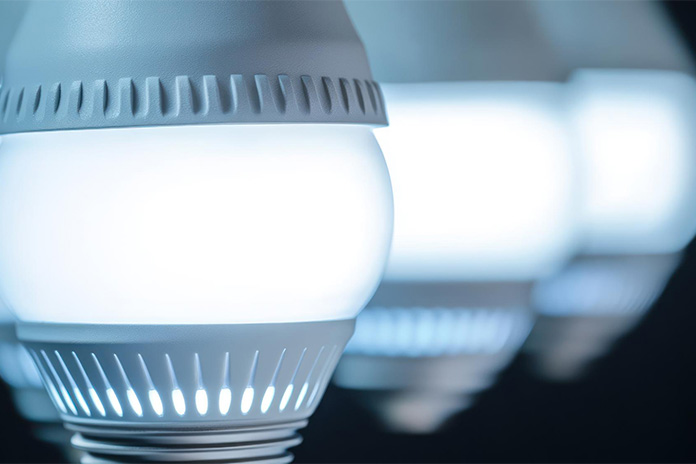
The light source, often referred to as a lamp, is a critical component of any lighting system. While traditional incandescent bulbs were once the go-to, they have been largely replaced by more advanced options, such as light-emitting diodes (LEDs).
LEDs offer numerous benefits over older technologies. They are significantly more energy-efficient, converting a much higher percentage of energy into usable light. Additionally, they provide instant illumination, which makes them compatible with automated systems. Another major advantage of LEDs is their long lifespan, which reduces the frequency of replacements and maintenance costs.
As lighting technology rapidly advances, it is important to stay updated on the best lighting options available. Regularly reviewing your lighting choices can ensure that you are taking advantage of the latest innovations to save energy and costs.
When choosing the right lighting, it’s essential to keep two primary factors in mind: the required brightness for the space and the appropriate color temperature to match the room’s function.

Regular upkeep of your lighting fixtures is essential for maintaining energy efficiency. Over time, dust and debris can accumulate, causing a reduction in the amount of light emitted. By performing routine cleaning and replacing worn-out or inefficient bulbs, you ensure that your lighting system operates at its full potential. This not only improves the quality of light but also helps avoid unnecessary energy use caused by dimmed lighting. When dealing with electrical issues, it’s crucial to hire a qualified professional to ensure safety.

To reduce energy consumption in indoor lighting systems, using energy-efficient lighting and regular maintenance of the lighting system is highly effective. LED bulbs, due to their high energy efficiency and long lifespan, are an ideal replacement for older bulbs. These bulbs provide instant illumination without the need for warm-up time, thereby reducing energy consumption.
Furthermore, updating the lighting system and selecting appropriate bulbs for each space based on lighting needs and color temperature can improve efficiency. By using high-quality bulbs, you can reduce the amount of light required and consequently, consume less energy. These changes, along with regular maintenance, help optimize energy use and lower costs. In this regard, adopting energy-efficient lighting systems like LED bulbs is an excellent option for saving money and reducing energy consumption.