As a homeowner, you’ve got a lot on your plate – from leaky faucets to creaky floors. But one area that often gets overlooked, despite being absolutely critical, is your home’s electrical system. It’s the silent powerhouse behind almost everything you do, from charging your phone to heating your dinner. Understanding the electrical services available isn’t just about convenience; it’s about safeguarding your family, protecting your property, and even saving money on energy bills.
Whether you’re a first-time homeowner navigating the quirks of your new place or a long-term resident considering upgrades, knowing which electrical services are vital can make a huge difference. Many homeowners don’t realize the importance of proactive electrical maintenance until a problem arises, which can sometimes be too late.
Key Takeaways:
Think of your home’s electrical system like its circulatory system. If there’s a blockage or a weak point, the whole house suffers, and serious problems can develop. Regular electrical maintenance isn’t just about fixing things when they break; it’s about preventing hazards before they start.
For instance, an outdated wiring system can be a silent fire risk, while an overloaded circuit can trip breakers constantly, causing frustration and potential damage to appliances. By understanding key residential electrical services, you can ensure your home remains safe, boosts its energy efficiency, and stays compliant with ever-evolving local electrical codes. This knowledge helps you address common concerns like “Are outdated electrical panels dangerous?” or “How often should I have my home’s wiring inspected?” Proactive care means peace of mind.
This is the core list of services every homeowner should be familiar with. Each one plays a crucial role in maintaining a safe, efficient, and modern home.
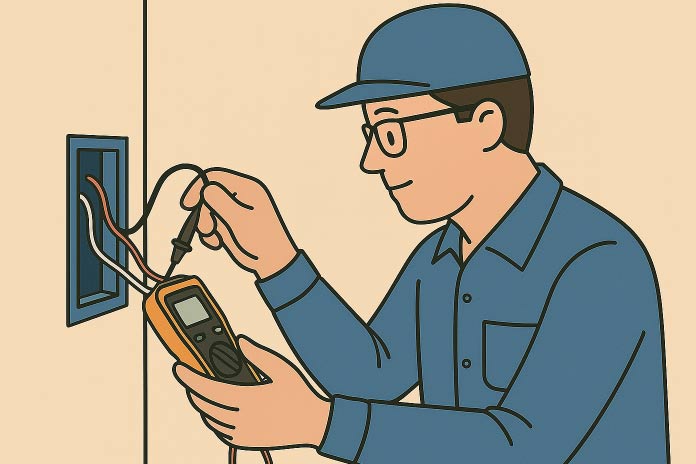
What it is: A comprehensive check-up of your entire electrical system by a licensed professional. They’ll examine wiring, outlets, switches, circuit breakers, and connections for any signs of wear, damage, or code violations.
Why it’s important: Think of it as a health check for your home’s power system. These inspections catch hidden dangers like frayed wires, overloaded circuits, or outdated components that could lead to fires or electrocution. They’re especially crucial for older homes or before buying/selling a property.
When to consider it: Many experts recommend an electrical safety inspection at least every 3-5 years, or immediately if you notice any electrical issues. If you’re asking, “How often should I have my home’s wiring inspected?”, the answer is regularly, especially if your home is over 40 years old or you’ve added major appliances.
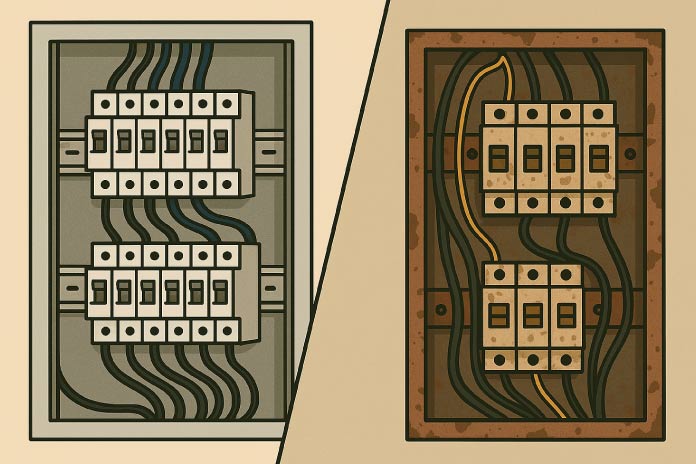
What it is: Replacing an old, undersized, or faulty electrical panel (often called a fuse box in older homes) with a new, higher-capacity circuit breaker panel.
Why it’s important: Modern homes use far more electricity than homes built decades ago. An old panel might not be able to handle the demand, leading to frequent trips, flickering lights, or even fire hazards. Upgrading ensures your home can safely power all your devices and appliances, and it’s often necessary for adding things like EV chargers or large kitchen appliances. If you’re wondering, “Are outdated electrical panels dangerous?”, the answer is often yes; they can be a significant safety risk.
When to consider it: If your home is over 20-30 years old, you still have a fuse box, your breakers trip often, or you’re planning major electrical additions.
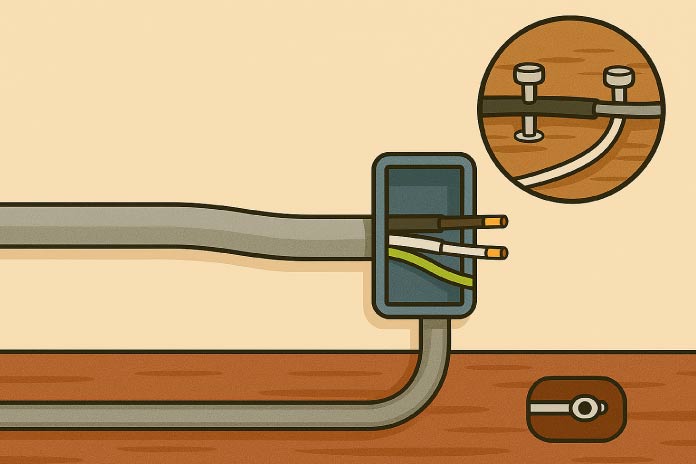
What it is: This involves repairing existing wiring, replacing damaged sections, or completely rewiring an entire home. This is common in older homes with outdated systems like knob-and-tube or aluminum wiring.
Why it’s important: Old wiring can degrade over time, posing fire risks due to insulation breakdown or poor connections. Knob-and-tube wiring, common before the 1950s, lacks a ground wire, which is a modern safety standard. Aluminum wiring, used in some homes from the 1960s-70s, can expand and contract, leading to loose connections and overheating. Rewiring brings your home up to current safety codes and ensures reliable power delivery.
When to consider it: If you live in an older home (especially pre-1950s or 1960s-70s), during major renovations, or if an inspection reveals unsafe wiring.
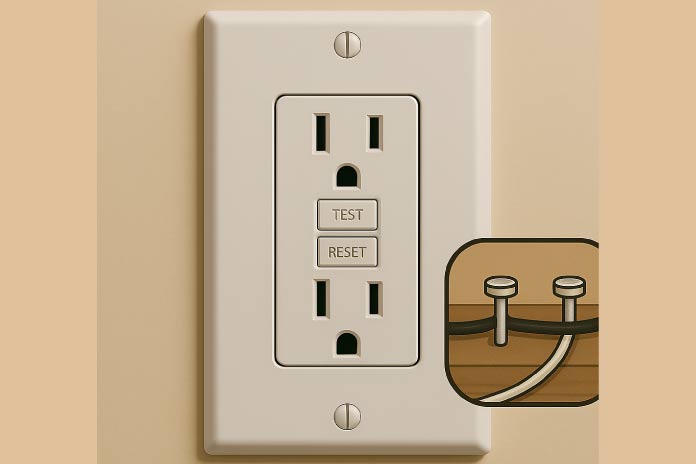
What it is: Installing new electrical outlets and switches, replacing old ones, or upgrading to specialized types like Ground Fault Circuit Interrupter (GFCI) outlets, USB outlets, or smart switches.
Why it’s important: GFCI outlets are essential in areas near water (kitchens, bathrooms, outdoors) as they quickly cut power to prevent electric shock. USB outlets offer convenience, and smart switches allow you to control lighting and other devices remotely, enhancing convenience and energy savings. Old, loose, or cracked outlets can also be a safety hazard.
When to consider it: During bathroom or kitchen remodels, if you have young children, or if you want to modernize your home’s functionality and safety.
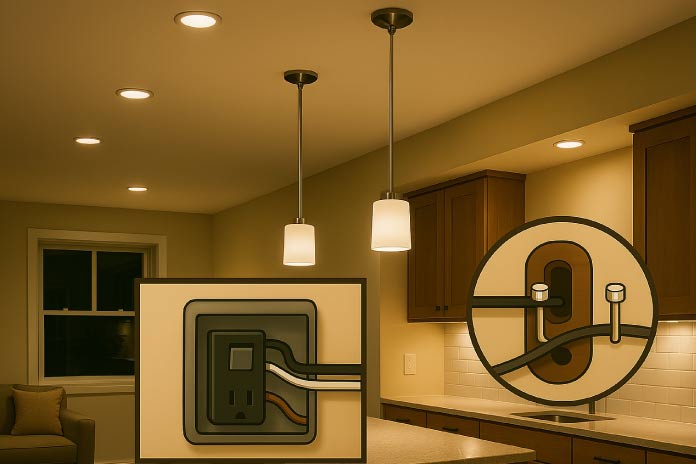
What it is: Installing new light fixtures, recessed lighting, track lighting, landscape lighting, or upgrading existing lighting to more energy-efficient options like LEDs.
Why it’s important: Beyond aesthetics, proper lighting enhances safety and usability in your home. Upgrading to LED lighting can significantly reduce your energy consumption and lower your electricity bills, as LEDs use much less power and last far longer than traditional bulbs. My own experience switching to LEDs throughout my home cut my lighting energy use by over 70% – it’s a no-brainer for long-term savings.
When to consider it: During renovations, to improve energy efficiency, or to enhance the ambiance and functionality of specific areas.
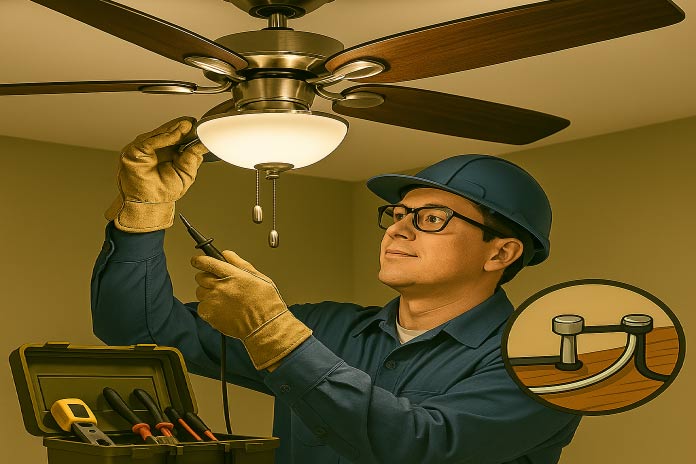
What it is: Safely wiring and installing heavy-draw appliances like electric ovens, dryers, water heaters, and ceiling fans, ensuring they have dedicated circuits and proper power connections.
Why it’s important: Large appliances and ceiling fans require specific wiring and dedicated circuits to operate safely and efficiently. Improper wiring can lead to tripped breakers, appliance damage, or even electrical fires. A professional ensures the correct gauge wire and appropriate circuit protection are in place.
When to consider it: When purchasing new major appliances, installing a new ceiling fan, or during kitchen/laundry room remodels.
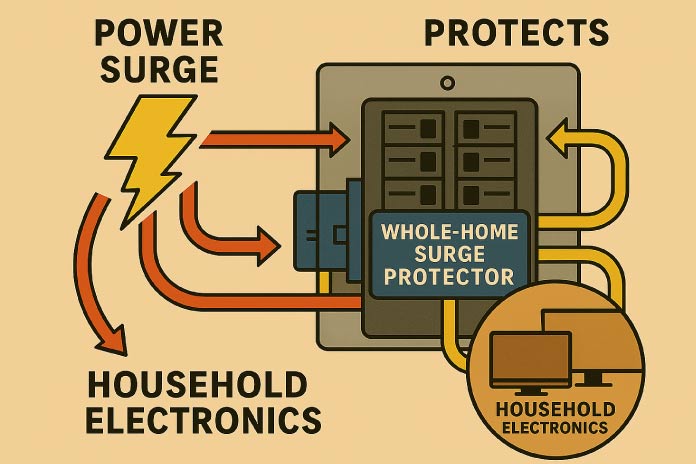
What it is: Installing a device, typically at your main electrical panel, that protects all your home’s electronics and appliances from sudden spikes in voltage (power surges).
Why it’s important: Power surges, whether from lightning strikes, utility grid fluctuations, or even large appliance cycling, can instantly fry sensitive electronics like TVs, computers, and smart home devices. While power strips offer some protection, a whole-home surge protector offers a much higher level of defense, protecting everything connected to your home’s electrical system. It’s a small investment that can save you thousands in damaged electronics.
When to consider it: Especially if you live in an area prone to thunderstorms, have a lot of expensive electronics, or want comprehensive protection beyond basic power strips.
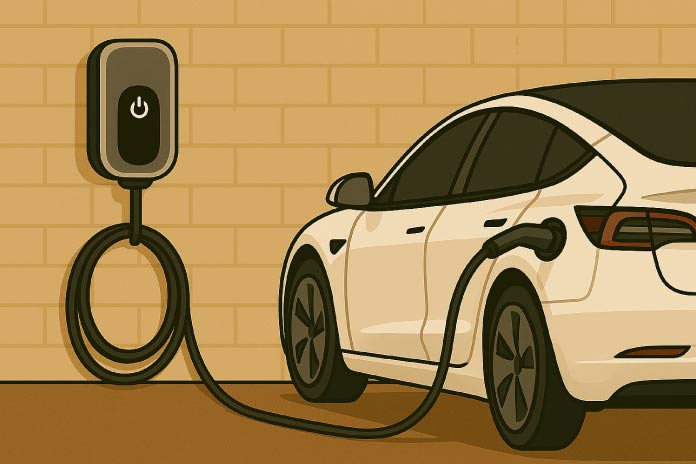
What it is: Installing a dedicated charging station for electric vehicles (EVs) in your home, which often requires a significant upgrade to your electrical panel’s capacity.
Why it’s important: As electric vehicles become more common, home charging is a huge convenience. However, Level 2 EV chargers draw a lot of power and require a dedicated 240-volt circuit. Your existing electrical panel might not have the capacity, necessitating an upgrade to safely support the charger without overloading your system. This is a specialized service that requires expert knowledge.
When to consider it: When you purchase an electric vehicle or are planning to in the near future.
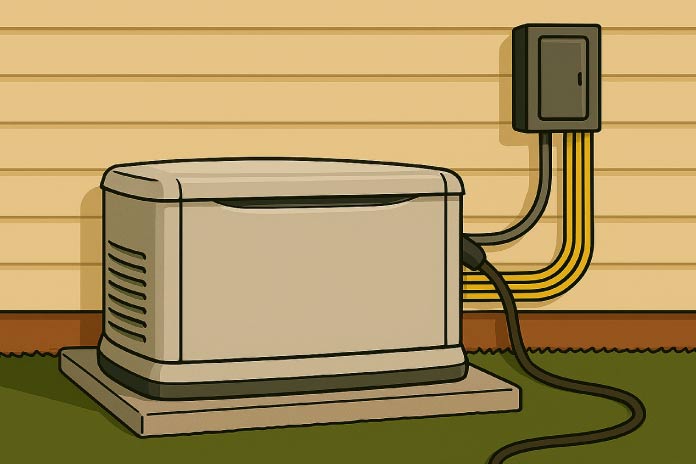
What it is: Installing standby generators that automatically kick in when grid power goes out, or setting up manual transfer switches for portable generators.
Why it’s important: Power outages can be more than just an inconvenience; they can disrupt work, spoil food, and even pose safety risks. A reliable backup power solution ensures your essential appliances (refrigerator, HVAC, medical equipment) continue to run, providing comfort and security during extended blackouts.
When to consider it: If you live in an area prone to frequent power outages, work from home, or have critical medical equipment that requires continuous power.
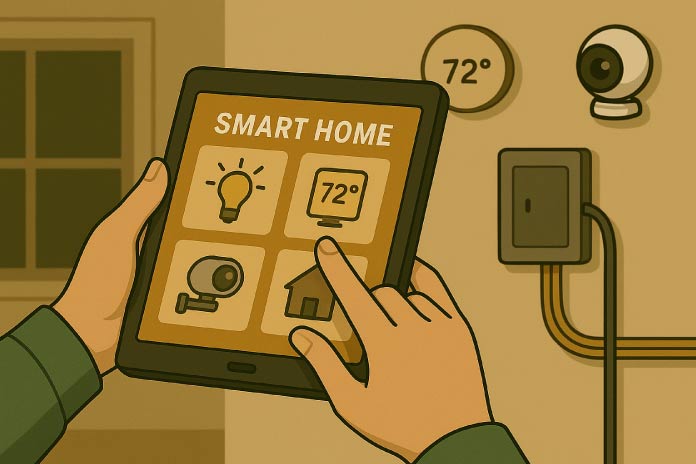
What it is: Integrating smart devices like thermostats, doorbells, lighting systems, security cameras, and smart plugs into your home’s electrical infrastructure, often requiring specialized wiring or network setup.
Why it’s important: Smart home technology offers unparalleled convenience, energy savings, and enhanced security. However, proper integration ensures these systems work seamlessly and safely. From smart lighting that adjusts to your schedule to integrated security systems, these electrical services bring your home into the modern age, making it more efficient and comfortable.
When to consider it: When building a new home, undertaking a major renovation, or simply wanting to upgrade your home’s technology and automation.
Sometimes, your home’s electrical system gives you subtle (or not-so-subtle) hints that something is wrong. Ignoring these signs of faulty electrical wiring can be dangerous. Be on the lookout for:
If you notice any of these signs, don’t delay. Contact a licensed electrician immediately. If you need more information about different types of electrical services and how to hire a licensed electrician, read this article about Electrical Services Explained: Qualifications, Skills, and Tips for Hiring the Best.
Your home’s electrical system is not a DIY project. Hiring a qualified professional for any home electrical services is crucial for safety and peace of mind. Here’s what to look for:
Taking a proactive approach to your home’s electrical system is one of the smartest investments you can make. By understanding these essential electrical services, recognizing warning signs, and knowing how to choose a qualified professional, you not only improve the safety and efficiency of your home but also enhance its long-term value.
Ready to ensure your home’s electrical system is safe and up-to-date? Contact a licensed electrician in your area for an inspection or to discuss any of the essential services mentioned above.