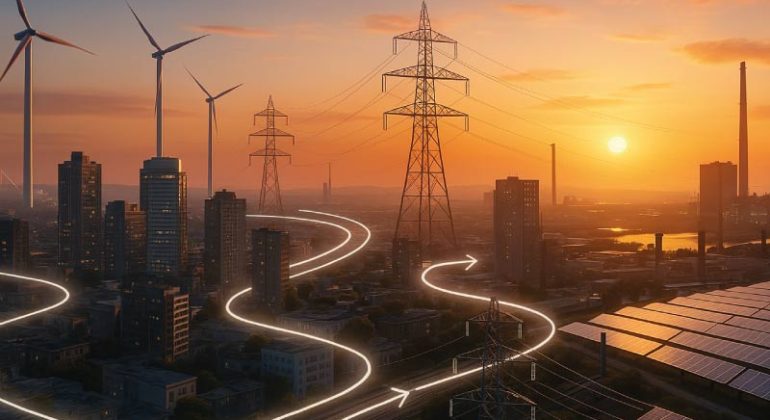
Power distribution might seem like a straightforward concept – the journey electricity takes from a power plant to your home or office. But beneath that simplicity lies a complex, constantly evolving network that is the backbone of our modern world. In essence, it’s the critical last mile of the grid, ensuring reliable and efficient delivery of the energy we all depend on.
As we approach 2025, this vital infrastructure is facing unprecedented pressures and exciting opportunities. The rapid growth of Artificial Intelligence (AI), ambitious clean energy targets, and the escalating demand for electricity are transforming the landscape of power delivery. Utilities, engineers, and infrastructure leaders are at the forefront of this evolution, navigating challenges and embracing innovations.
This article will highlight 10 pivotal trends that are not just theoretical concepts but are actively shaping the future of power distribution right now. These insights aim to provide clear, actionable knowledge, helping you understand where the industry is headed and what it means for your operations.
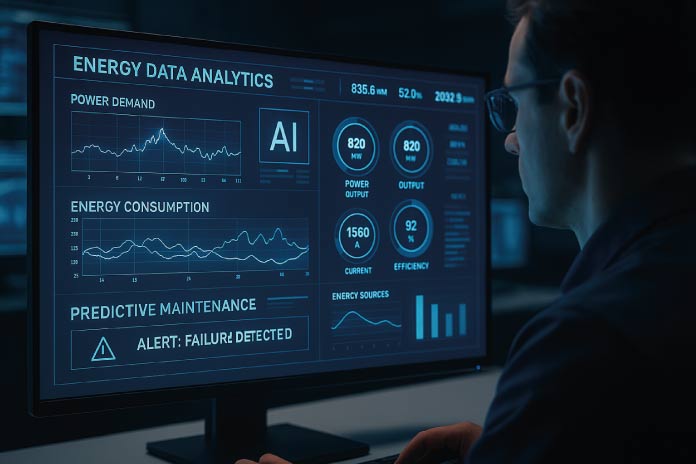
Imagine a power grid that can think for itself, anticipating problems before they happen and rerouting power in real-time to prevent outages. That’s the promise of AI-powered grid management, and it’s rapidly becoming a reality. AI is being integrated into grid systems to enhance everything from predictive maintenance to efficient load balancing.
For example, AI algorithms can analyze vast amounts of data from sensors across the grid – like temperature readings from transformers or voltage fluctuations on power lines. By learning from historical patterns, AI can predict when equipment might fail, allowing utility crews to perform maintenance before an issue causes a blackout. This proactive approach significantly reduces downtime and costly emergency repairs. AI also optimizes power flow, ensuring electricity is routed through the most efficient paths, minimizing waste and ensuring a stable supply. My personal experience working with an older utility often involved reactive repairs; now, with AI, we see a shift towards preventing issues entirely, which is a game-changer for reliability.
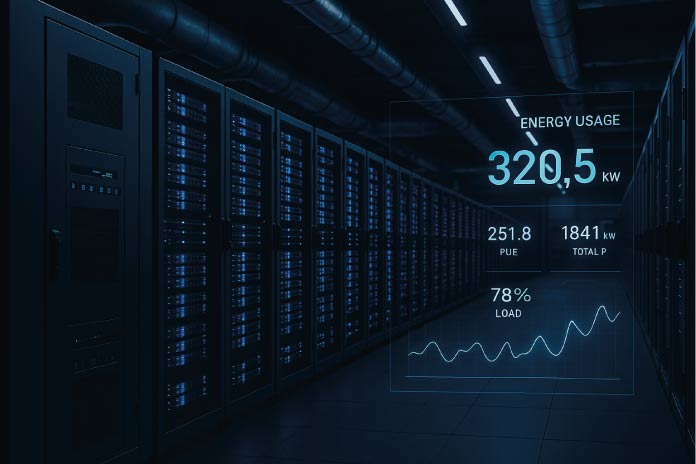
The explosion of data centers and the increasing reliance on Artificial Intelligence for everything from cloud computing to complex simulations are creating an unprecedented surge in electricity demand. These facilities require enormous, consistent power, putting significant pressure on existing distribution infrastructure.
To cope, utilities are adapting in several ways. We’re seeing the development of localized substations built specifically to serve these energy-hungry facilities, reducing the strain on the broader grid. Smart transformers, capable of adjusting voltage levels on the fly, are also becoming crucial for managing the dynamic and often unpredictable power demands of AI workloads. One interesting challenge is that data centers often use uninterruptible power supplies (UPS), which can cause abrupt disconnections from the grid during disturbances, creating sudden shifts in load that the grid needs to manage.
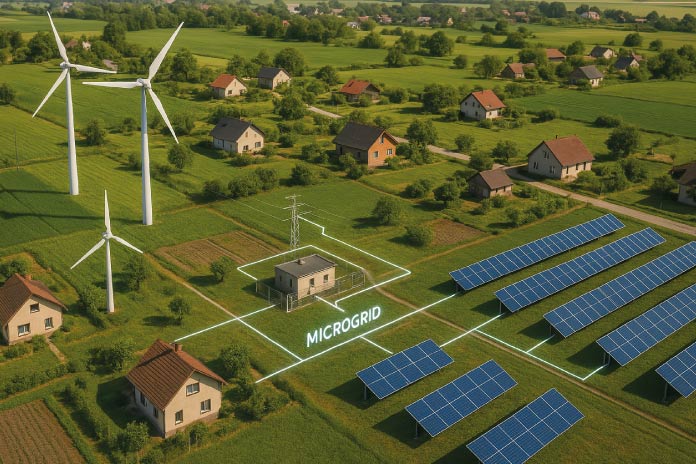
Traditionally, power flowed in one direction: from large central power plants to consumers. Now, we’re seeing a shift towards decentralized models, with microgrids leading the way. A microgrid is essentially a small, independent energy system that can operate connected to the main grid or “island” itself and run autonomously, especially during outages.
Microgrids enhance resilience, meaning they can keep critical facilities like hospitals or emergency services powered even if the main grid goes down. They’re also vital for local energy independence, especially in remote areas or industrial sites where consistent power is paramount. For instance, a factory might have its own solar panels and battery storage, forming a microgrid that reduces its reliance on the main utility. I’ve seen firsthand how a well-designed microgrid can prevent complete operational shutdowns during severe weather events, a major win for businesses and communities.
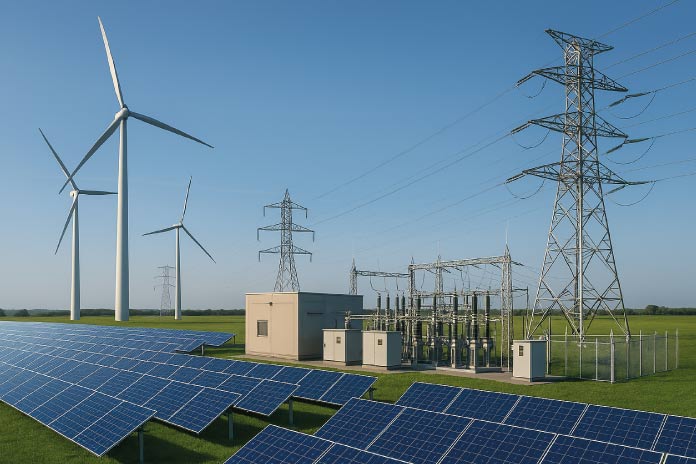
The global push for cleaner energy means more solar, wind, and battery storage are being integrated directly into our power distribution networks. This shift is crucial for decarbonization but presents unique challenges. Unlike traditional power plants, renewable sources like solar and wind are intermittent – they only generate power when the sun shines or the wind blows.
Distribution systems are being upgraded to handle these variable energy inputs. This involves sophisticated control systems that can balance the fluctuating output of renewables with consumer demand. Advanced inverters play a key role, helping maintain grid stability and providing grid support services. This requires a much more dynamic and responsive distribution network than we’ve had in the past.

The days of estimated bills and manual meter readings are fading fast. Smart meters are becoming standard, providing real-time data on electricity consumption. These devices are more than just billing tools; they’re vital sensors for a smarter grid.
Smart meters support grid efficiency by allowing utilities to understand exactly when and where power is being used, helping with load forecasting and demand response programs. For example, a utility can offer incentives for residential customers to shift energy-intensive activities (like charging an EV) to off-peak hours. In the commercial sector, real-time data allows businesses to identify energy waste and optimize their operations, leading to significant cost savings. This transparency empowers both utilities and consumers to make smarter energy decisions.

As power distribution systems become more digital and interconnected, they also become more vulnerable to cyberattacks. A successful attack on the grid could lead to widespread outages, economic disruption, and even endanger public safety. This makes grid cybersecurity a paramount concern for 2025 and beyond.
Utilities are hardening their infrastructure by implementing robust cybersecurity measures. This includes adhering to strict standards like NERC CIP (North American Electric Reliability Corporation Critical Infrastructure Protection), which mandates security controls for critical cyber assets. Technologies like multi-factor authentication, secure remote access, and real-time threat monitoring are being deployed to defend against sophisticated attacks. The threat landscape is constantly evolving, requiring continuous vigilance and investment in defense mechanisms. My own experience in the industry has shown that while physical security was always a focus, the digital perimeter is now equally, if not more, critical.
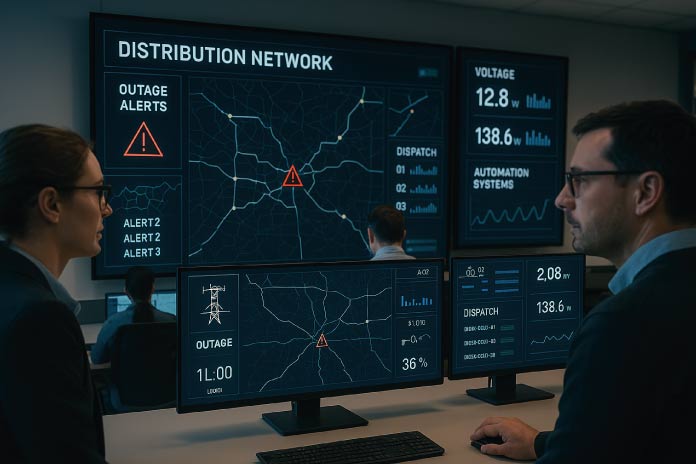
To manage the increasing complexity of modern power grids, utilities are heavily investing in Advanced Distribution Management Systems (ADMS). An ADMS is a software platform that integrates various grid operation functions, providing operators with a comprehensive, real-time view of the distribution network.
ADMS supports enhanced situational awareness, meaning operators can see exactly what’s happening on the grid at any moment. It significantly improves outage management by quickly identifying fault locations and helping restore power faster. Features like voltage optimization reduce energy losses and improve power quality. Leading vendors like GE Vernova and Siemens are at the forefront of providing these integrated solutions, and we’re seeing widespread adoption as utilities seek to improve reliability and efficiency.
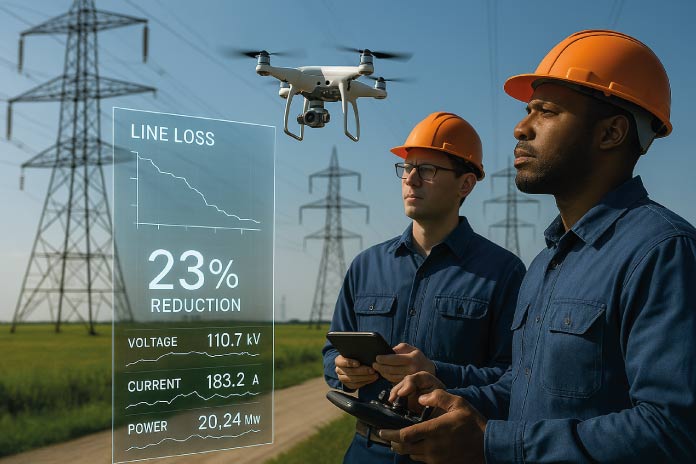
Every year, a significant amount of electricity is lost as it travels from power plants to consumers. These “transmission and distribution losses” are a major focus for efficiency improvements. Industry goals aim to significantly reduce these losses, which not only saves energy but also reduces costs and environmental impact.
Strategies to achieve this include advanced grid automation, which can dynamically adjust power flow and voltage levels to minimize resistance. High-efficiency transformers are replacing older models, significantly cutting down on energy wasted as heat. Real-time loss monitoring, enabled by smart meters and sensors, allows utilities to identify and address areas of high loss more effectively. Investing in these technologies pays off by making the entire grid more efficient and sustainable.
Read more: Top 10 Electrical Services Every Homeowner Should Know
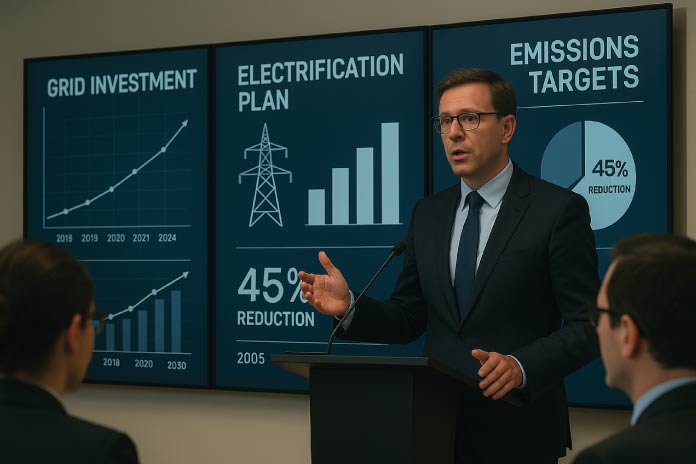
Governments and regulatory bodies worldwide are playing a crucial role in driving the modernization of power distribution systems. They are enacting policies and offering incentives to accelerate the transition to a more resilient, decarbonized, and efficient grid.
These regulations often encourage investment in smart grid technologies, renewable energy integration, and enhanced cybersecurity. For example, policies might mandate specific levels of renewable energy penetration or set targets for grid reliability. In Europe, recent legislative pushes emphasize closer coordination and investment in cross-border grid capacity to integrate more renewables and enhance resilience. This regulatory environment creates a clear roadmap and financial impetus for utilities to upgrade their infrastructure.
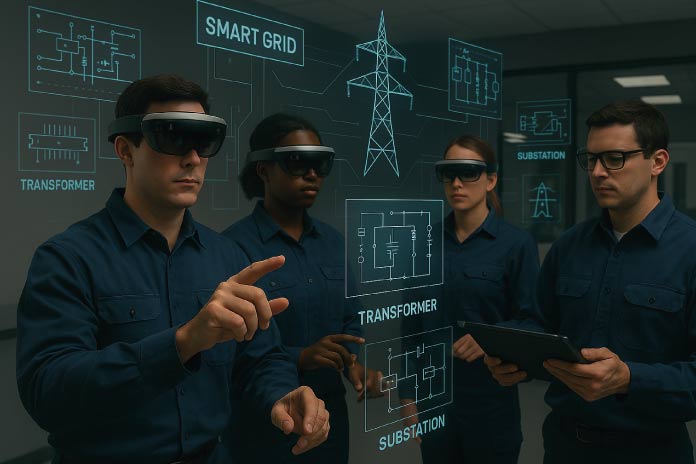
While technology is rapidly advancing, the human element remains critical. The shift to a smarter, more digital power grid requires a workforce with new skills. Technicians and engineers who once primarily worked with mechanical systems now need to be proficient in data analytics, cybersecurity, and digital control platforms.
Utilities are investing heavily in retraining and upskilling programs to prepare their employees for this new era. This includes everything from workshops on managing ADMS software to certifications in industrial cybersecurity. Attracting new talent with these digital skills is also a priority. The goal is to ensure that the people operating and maintaining our future grid are as advanced as the technology itself. Without a skilled workforce, even the most cutting-edge systems cannot operate effectively.
Read more: How to Choose the Right Electrical Services for Your Needs in 2025
The future of power distribution is not a distant concept; it’s being built right now. The 10 trends we’ve explored—from AI-powered management and the rise of microgrids to critical cybersecurity and workforce upskilling—are fundamentally reshaping how electricity reaches us.
For industry stakeholders, adapting to these changes is not optional; it’s essential for maintaining reliability, achieving sustainability goals, and meeting ever-growing energy demands. Prioritizing innovation, fostering collaboration across the sector, and continuously investing in the digital transformation of both infrastructure and personnel will be key to success. By embracing these trends, we can build a smarter, more resilient, and more efficient power future for everyone.