
When it comes to maintaining a safe and efficient home, knowing when to call a residential electrician is essential. These skilled professionals specialize in handling all aspects of electrical work within residential properties, ensuring that wiring, outlets, and electrical systems function properly and safely. Whether you’re facing minor electrical issues or planning a major renovation, a qualified residential electrician can provide the expertise needed to protect your home and family from potential hazards.
Electrical problems can sometimes be subtle but dangerous if ignored. In this article, we will explore the key indicators that signal it’s time to call a residential electrician, along with important information about electrical regulations in Edmonton to help you make informed decisions.
A residential electrician is a licensed professional who specializes in installing, maintaining, and repairing electrical systems within homes. Unlike commercial or industrial electricians, residential electricians focus exclusively on the electrical needs of private residences. Their expertise covers everything from wiring and lighting installations to troubleshooting electrical issues that arise in daily home use.
Residential electricians are trained to work with various electrical components, including circuit breakers, outlets, switches, and lighting fixtures. They ensure that all electrical systems in a home operate safely and efficiently while complying with local electrical codes and regulations. This knowledge is vital to prevent hazards such as electrical fires, shocks, or damage to appliances and devices.
Typically, residential electrician undergoes extensive training, which includes classroom education and hands-on apprenticeships. After completing their training, they must obtain proper licensing to legally perform electrical work. This licensing process ensures that electricians are familiar with the latest safety standards and technological advancements in the field.
Hiring a professional residential electrician guarantees that electrical work is done correctly and safely, protecting your home and family. Attempting DIY electrical repairs can lead to severe consequences, including injury or property damage, and may also violate local building codes.
A residential electrician is your go-to expert for all home electrical needs, combining technical skill, safety knowledge, and local code compliance to keep your home’s electrical system running smoothly and securely.
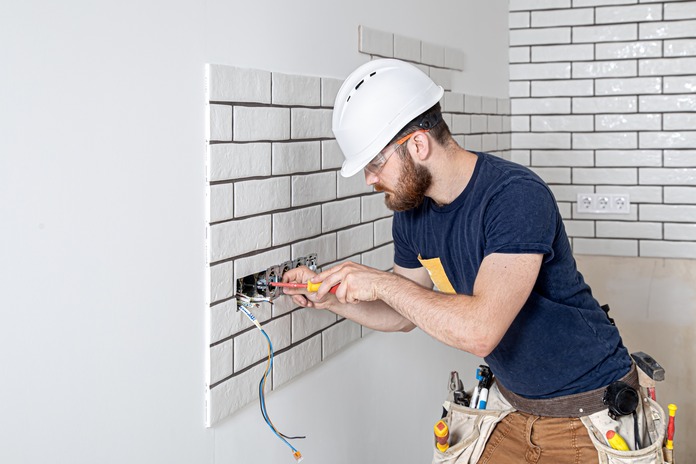
Residential electrician plays a crucial role in maintaining and improving the electrical systems within homes. Their expertise ensures that every component, from wiring to electrical fixtures, operates safely and efficiently, minimizing the risk of electrical hazards such as fires or shocks. The range of services they offer is diverse and comprehensive, covering everything from new installations to emergency repairs. To better understand what a residential electrician can do for your home, their services can be organized into several key categories as outlined below:

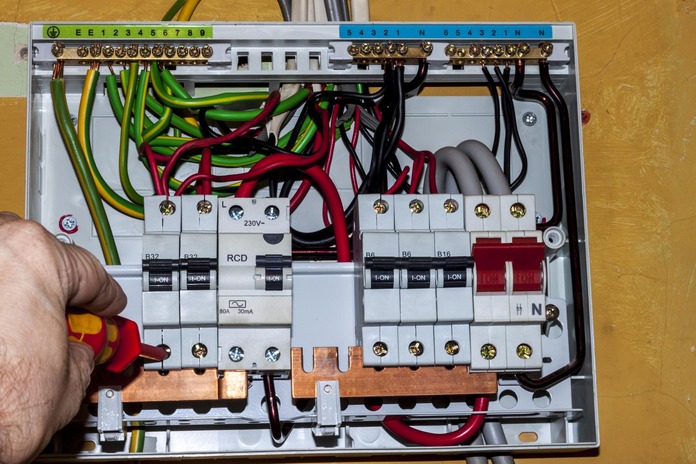

Knowing when to call a residential electrician can save you time, money, and potential safety risks. Electrical issues in the home don’t always announce themselves loudly—sometimes, the signs are subtle but important to notice. Here are the top seven warning signals that indicate it’s time to bring in a professional electrician to inspect and resolve your home’s electrical problems:
If your lights frequently flicker or dim unexpectedly, it’s a clear indication that there may be an underlying electrical issue. This can be caused by loose wiring, overloaded circuits, or faulty light fixtures. Ignoring this can lead to further damage or even pose a fire risk, so it’s best to have a residential electrician diagnose and fix the problem promptly.
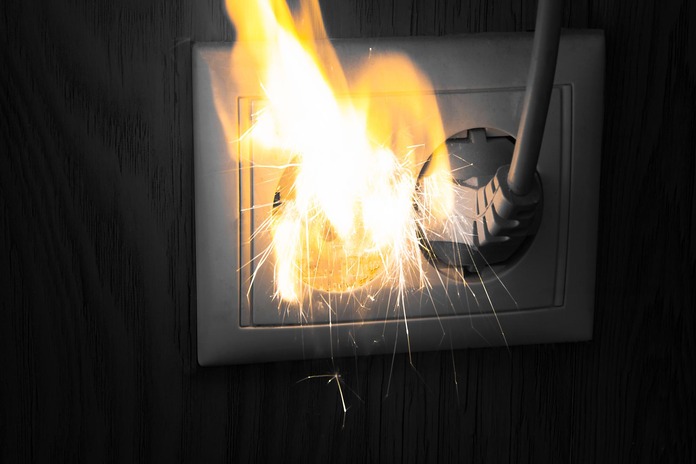
Any burning odor coming from an outlet or a switch that feels unusually warm to the touch signals a serious electrical hazard. This could mean that wires are overheating or there is a short circuit inside the outlet. Such signs should never be ignored, as they increase the risk of electrical fires and require immediate professional attention.
When your circuit breaker trips repeatedly, it means the electrical load is exceeding safe limits or there is a fault somewhere in the wiring. Constant trips can damage your electrical system and appliances. A residential electrician can investigate the root cause, whether it’s outdated wiring, faulty devices, or overloaded circuits, and provide the necessary repairs or upgrades.
Outlets or switches that suddenly stop working could indicate wiring problems, damaged components, or tripped breakers. These issues affect the convenience and safety of your home and should be inspected by an expert to avoid potential hazards.
Feeling a mild shock when touching an appliance, outlet, or switch is a warning sign of faulty wiring or improper grounding. Even if the shocks seem minor, they indicate a safety risk that requires professional evaluation to protect your family from potential electrical shocks.
If you notice exposed, frayed, or outdated wiring in your home, it’s time to call an electrician. Old wiring can deteriorate over time, causing shorts and fire hazards. Upgrading your wiring ensures compliance with current safety codes and improves the overall electrical reliability of your home.
Relying extensively on extension cords or multiple power strips is a red flag. It often means your home’s electrical system isn’t meeting your power needs. Overusing these temporary solutions can cause overheating and increase fire risk. A residential electrician can assess your power requirements and recommend appropriate upgrades.
Electrical codes are a set of safety standards that govern how electrical systems should be designed, installed, and maintained in residential properties. These codes are established by national or regional authorities and are updated periodically to reflect new technologies, safety research, and best practices in the electrical industry.
For homeowners, understanding these requirements can be challenging. Electrical codes cover everything from the correct type of wiring to use, to how many outlets are required in each room, to where and how circuit breakers should be installed. These rules are in place to reduce the risk of fire, electrocution, and other hazards caused by faulty or outdated electrical systems.
In Canada, these regulations are governed by the Canadian Electrical Code (CEC), developed by the Canadian Standards Association (CSA). This national code is updated every few years to keep pace with new technologies and evolving safety standards. While the CEC serves as a baseline, provinces and municipalities can implement additional local requirements.
Electrical Code (CEC) but also with specific municipal regulations. This includes mandatory permits for most major jobs, required inspections, and adherence to standards like installing GFCI outlets in bathrooms and kitchens, using AFCI protection in bedrooms, and following proper wiring methods and breaker sizing. Failure to meet these standards can result in rejected inspections and potential safety risks—something a licensed residential electrician is trained to prevent.
For example, in cities like Edmonton, residential electrical work must comply not only with the Canadian Electrical Code (CEC) but also with specific municipal regulations. This includes mandatory permits for most major jobs, required inspections, and adherence to standards like installing GFCI outlets in bathrooms and kitchens, using AFCI protection in bedrooms, and following proper wiring methods and breaker sizing. Failure to meet these standards can result in rejected inspections and potential safety risks—something a licensed residential electrician is trained to prevent. GFCI (Ground Fault Circuit Interrupter) protection is mandatory in all wet or damp areas such as bathrooms, kitchens, laundry rooms, garages, and outdoor outlets.

These standards are enforced by Safety Codes Officers under The City of Edmonton’s Electrical Inspections Program, ensuring all residential work meets safety and quality expectations.
Hiring a knowledgeable and certified residential electrician familiar with both national and Edmonton-specific codes is the most reliable way to ensure your home is safe, compliant, and future-proof.
When it comes to your home’s electrical system, safety and compliance should never be compromised. Whether you’re experiencing flickering lights, circuit overloads, or planning a renovation, working with a licensed residential electrician ensures that every task is handled with precision and according to code. From basic troubleshooting to full-scale wiring projects, their expertise protects your home, your family, and your investment.
If you’re unsure whether your current electrical setup meets today’s safety standards—or if you’ve noticed any of the warning signs mentioned above—don’t hesitate to consult a professional. Trust in qualified electricians who understand both national codes and local requirements, especially if you’re in a city like Edmonton.