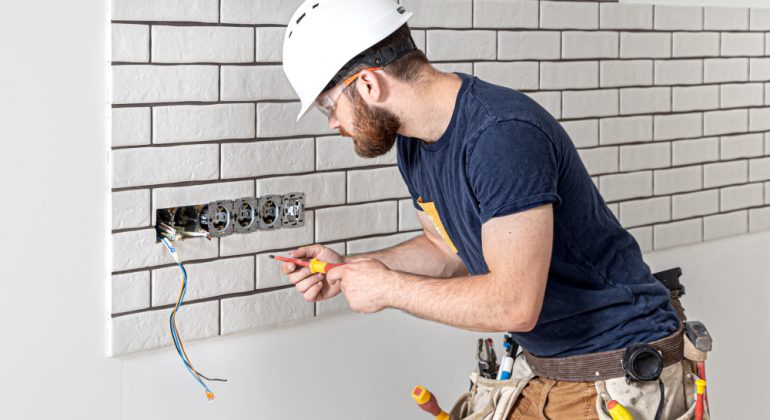
In an age driven by rapid technological advancements, smart home devices, home automation systems, and the steady national transition toward electric vehicles (EVs), the demand for household electrical power has reached an all-time high across Canada. Yet, hundreds of thousands of residential properties still rely on outdated electrical systems designed decades ago for a completely different lifestyle.
Old wiring systems, undersized main service panels, and inadequate outlet counts across living spaces are far more than minor everyday conveniences—they represent significant fire hazards, severe structural safety risks, and major functional bottlenecks for modern living.
Upgrading your home’s electrical system is one of the single most vital, high-value investments you can make as a homeowner. Whether you are planning a comprehensive basement renovation, setting up a legal basement rental unit, preparing to install a Level 2 electric vehicle charger, or readying your house for the competitive real estate market, understanding how residential electrical upgrades work is essential for long-term protection, comfort, and financial return.
Many homes across Canadian provinces built before the late 1990s were originally constructed with 60-amp or 100-amp main electrical service panels. At the time of installation, this capacity was more than sufficient to power standard ambient lighting, basic kitchen electronics, heating systems, and a single television set.
Fast forward to today: a typical modern household simultaneously runs central air conditioning or cold-climate heat pumps, high-efficiency induction cooktops, high-end entertainment hubs, heavy-duty laundry suites, multiple home office setups, hot tubs, and often one or two electric vehicles. When an aging electrical panel attempts to draw power for these heavy cumulative loads, dangerous friction, heat, and internal system stress occur.
When a home’s electrical setup cannot meet modern power demands, it typically communicates the problem through distinct warning signals:
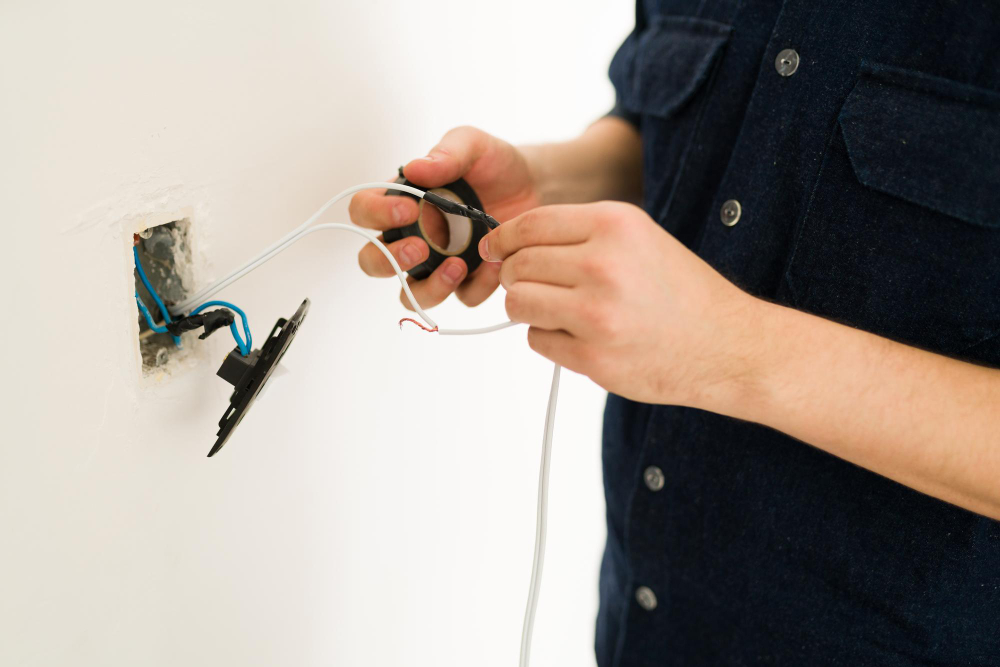
The 200-amp service upgrade has officially established itself as the baseline standard for modern residential properties across Canada. Upgrading your service panel from an older 100-amp capacity to a robust 200-amp panel doubles your entire household’s available power threshold. This crucial upgrade provides the heavy-duty overhead required to run modern high-draw electrical equipment seamlessly without risking unexpected system shutdowns.
Future-Proof EV Readiness: Provides the necessary panel capacity to install a Level 2 electric vehicle charger that recharges car batteries rapidly overnight without tripping household breakers.
Increased Property Value: Home buyers actively look for houses with updated 200-amp panel upgrades to avoid inheriting expensive, mandatory electrical renovations after closing.
Property Insurance Compliance: Many leading Canadian insurance carriers charge elevated premiums—or explicitly deny coverage—for properties operating on obsolete 60-amp panels or outdated wiring systems.
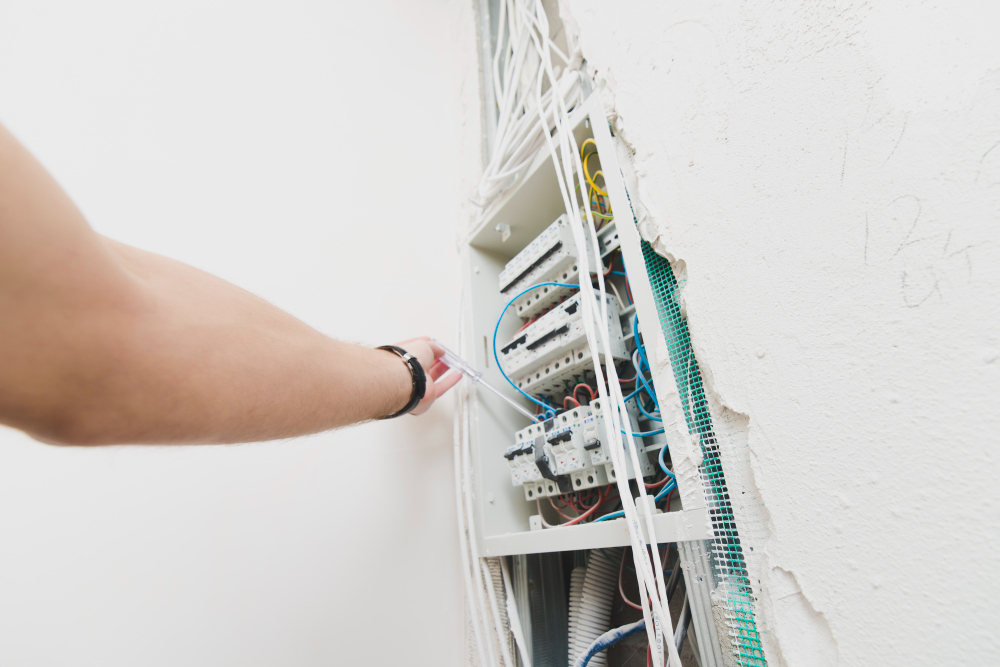
Transforming an unfinished basement into a functional living room, recreational suite, or legal secondary rental apartment represents one of the most effective strategies for increasing living space and generating steady rental income. However, executing basement wiring safely requires strict adherence to local municipal building codes and the Canadian Electrical Code (CEC).
Wiring a basement involves far more than simply running wires through wall studs; it requires careful circuit planning, load balancing, and mandatory safety features:
Dedicated Appliance Circuits: High-drain appliances—such as basement kitchen stoves, space heaters, refrigerators, or microwave ovens—demand dedicated individual circuits direct from the main panel to prevent circuit overloads.
Arc-Fault Circuit Interrupters (AFCI): Modern Canadian electrical codes mandate AFCI protection for living spaces and bedroom circuits. AFCI devices constantly monitor electrical flows and instantly cut power when dangerous, heat-generating electrical arcs are detected.
Ground Fault Circuit Interrupter (GFCI) Protection: All wall outlets installed near water sources—such as basement wet bars, bathrooms, sumps, or laundry rooms—must feature GFCI protection to protect residents against electrical shocks.
While traditional plug-in power strips offer localized protection for individual items like computers or televisions, they provide zero protection against massive power surges entering your home through the main electrical supply lines.
High-voltage grid spikes can be caused by external events like lightning storms, fallen power lines, utility grid switching, or internal events like high-power HVAC compressors cycling on. Installing a panel-mounted Whole-Home Surge Protector shields every hardwired appliance, smart device, HVAC system, and plugged-in electronic component across your entire property by instantly redirecting excess voltage harmlessly into the ground.
When dealing with residential power systems, ignoring minor symptoms can lead to catastrophic property destruction or personal injury. Homeowners must remain vigilant and call a certified electrician immediately if any of the following critical warning signs appear:
To maintain nationwide safety standards and protect homeowners from catastrophic hazards, electrical work is heavily regulated across all Canadian provinces and territories. Attempting DIY electrical modifications on main power service lines, panel breaker boxes, or major home distribution networks is unsafe, highly dangerous, and frequently illegal.
Any substantial modification, extension, or upgrade to a residential electrical infrastructure requires an official permit issued by municipal or provincial regulatory authorities (such as the Electrical Safety Authority – ESA in Ontario, or Technical Safety BC in British Columbia).
Certified, licensed electrical contractors handle the complex permitting process from end to end. They guarantee that every wire, breaker, box, and outlet installed meets or exceeds current Canadian Electrical Code guidelines, passing official municipal safety inspections with full compliance.
Your home’s electrical infrastructure functions as its central nervous system. Upgrading an outdated infrastructure to modern standards—whether through a comprehensive 200-amp service upgrade, professional basement suite wiring, or whole-house surge protection—ensures absolute family safety, enhances everyday energy efficiency, and protects your property investment for decades to come.
If your electrical panel is outdated, struggling under heavy household loads, or showing signs of wear, do not wait for a dangerous failure to occur. Contact a fully licensed, certified electrical contractor to schedule a thorough home electrical safety audit today.